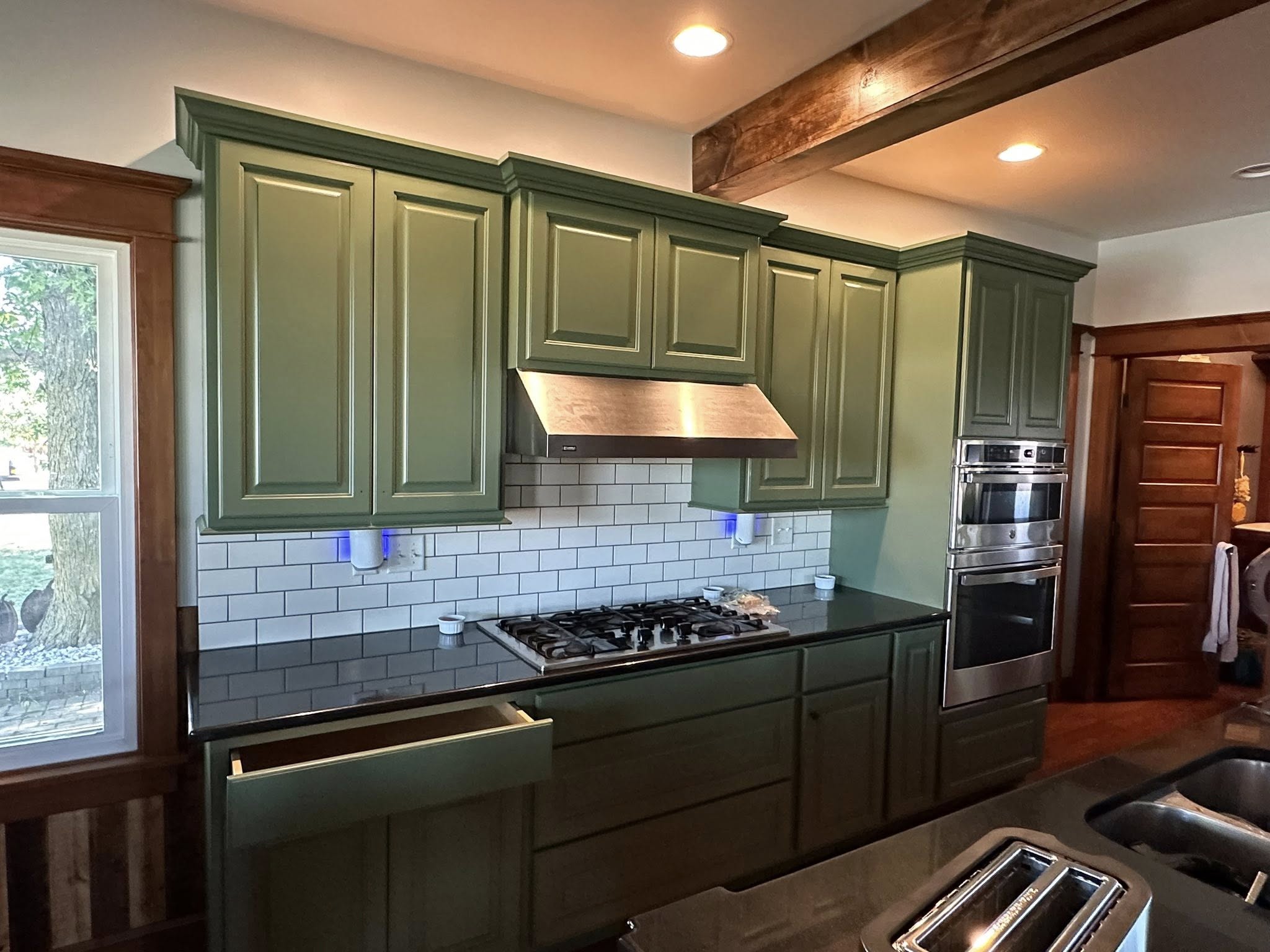
How to Achieve a Smooth Finish: Expert Techniques in Professional Painting Jun 20, 2026
Preparation is the key to a smooth finish. Start by thoroughly cleaning the surface that you plan to paint. Dust, dirt, and grease can create unexpected bumps and uneven patches. Make sure to strip old paint, if necessary, and fill in any holes or cracks with a good quality filler. Sanding the surface smooth is an integral step that cannot be overlooked. Use a fine-grit sandpaper to sand down rough areas, then wipe the surface with a damp cloth to remove all the dust particles. This is the foundation of your painting project, where the outcome is greatly influenced by the level of prep work.
Primer acts as a bonding agent between the surface and paint, and it also ensures color evenness. At First Call Painting LLC, we often recommend a stain-blocking primer to prevent old stains from seeping through and to provide a uniform base. Applying a primer is particularly crucial on porous surfaces like drywall, brick, or unfinished wood. Use a high-quality roller for larger surfaces and brushes for corners and edges, ensuring that you cover every inch thoroughly.
Choosing the right paint is critical. Opt for high-quality paint that suits your specific needs, whether it’s for a bathroom, kitchen, or an exterior surface. For interiors, a satin or eggshell finish offers a balance between a glossy look and easy cleaning, which is often preferred for walls. If aiming for a high-gloss finish, particularly on trims and doors, patience is key. Such finishes highlight imperfections, making the groundwork and application technique all the more important.
The way you apply paint will determine the final appearance. For best results, always start from the edges and work your way in. Use a technique called "cutting in" with a brush to paint corners, edges, and any other areas a roller might not reach. For flat surfaces, hold the roller cover at a slight angle to avoid roller marks, and apply the paint in a "W" pattern. This ensures even distribution while reducing the chances of streaks. Overlapping strokes and maintaining a wet edge are paramount to preventing visible lines.
Finally, finishing touches should not be forgotten. After applying the initial coat, it's crucial to let the paint dry completely. Sometimes, two or even three coats are necessary for achieving the perfect finish. Lightly sand between coats to maintain a smooth surface and remove any bubbles or textured spots that may have developed.
By following these expert techniques, you can achieve that coveted smooth finish that adds elegance and value to your space. At First Call Painting LLC, we are dedicated to helping our clients understand the art of painting, ensuring that every project not only reaches but exceeds their expectations. Whether you choose to DIY or call in the experts, knowing these steps makes all the difference in your painting endeavors.
/filters:no_upscale()/filters:format(webp)/media/17bee041-15ef-4fbe-98fe-a596754c365a.jpeg)