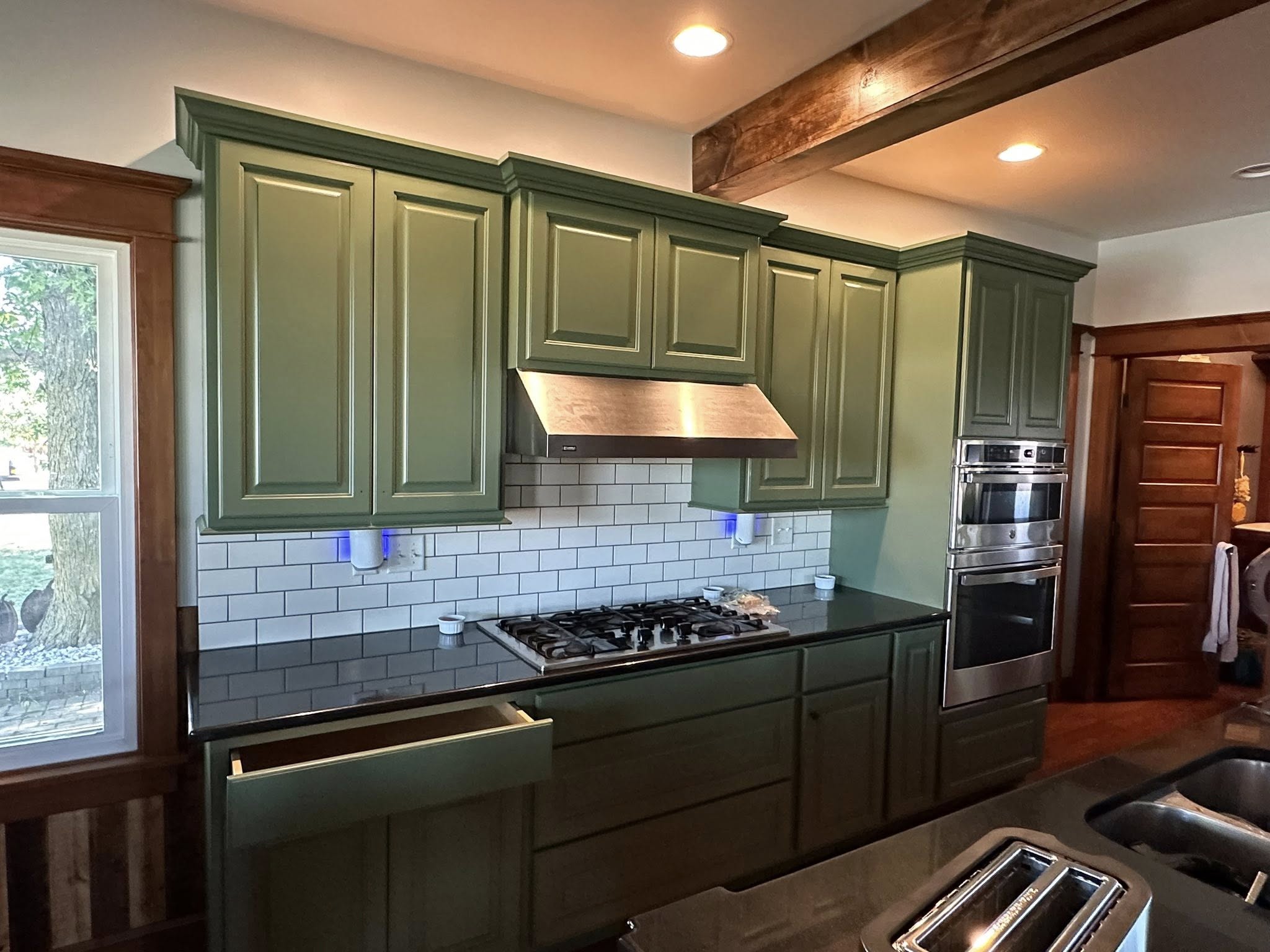
Understanding the Impact of Light on Paint Colors: Tips for Perfect Choice Jun 01, 2026
Light has a profound impact on the appearance of paint colors. Natural light, in particular, evolves throughout the day, transforming shades and tones in surprising ways. For instance, a hue that appears warm and luminous in the morning sunlight might seem muted or cool by the afternoon. Understanding these changes can help you select colors that consistently look great, irrespective of the time of day.
Before you begin painting, it’s crucial to observe how light enters and moves through each room. North-facing rooms receive softer, cooler light which makes warm colors like yellows and reds more subdued. Conversely, south-facing spaces bask in brighter light that tends to enhance both warm and cool colors. West-facing rooms are marked by warm, golden tones in the evening, while east-facing ones enjoy crisp, cool morning light.
Once you comprehend the dynamics of light in your home, you can make informed decisions about color selection. For rooms with abundant natural light, consider bolder colors that the sun’s rays can bring to life. In darker or north-facing rooms, opt for lighter and warmer hues to compensate for the lack of natural luster.
Artificial lighting also plays a significant role in color perception. Incorporating types of artificial light, such as ambient, task, and accent lighting, can create dramatic effects. Incandescent bulbs cast warm, yellowish tones, ideal for cozy settings. Fluorescent lights, on the other hand, emit a cooler, bluish light, which may alter paint colors significantly, often making them appear harsher. LED lights are often a middle-ground, generally offering a neutral white light.
Next, sample paint colors before committing to them. Purchasing sample pots and painting swatches on various walls in a room allows you to see the colors under different lighting conditions. Pay attention to how the changing light affects the colors throughout the day. This simple step can prevent costly mistakes and ensure satisfaction with the final result.
Reflectance is another factor to contemplate. Painting with lighter colors on walls and ceilings can help reflect more light, making spaces appear larger and brighter. Conversely, dark colors absorb light, making a room feel cozy, yet often smaller and more intimate.
It’s also beneficial to consider the finish of the paint. Glossy or semi-gloss finishes enhance light reflection and are great for rooms needing more illumination. Matte and eggshell finishes, however, can contribute to a softer, more subdued ambience.
Ultimately, choosing the right paint color involves thoughtful consideration of how light and color interact. By taking the time to understand and observe these dynamics, you can transform a room into a harmonious space that reflects your desires and complements your home’s unique lighting conditions.
At First Call Painting LLC, our expert team is always ready to provide you with advice tailored to your space. We are committed to helping you achieve stunning results with the right paint choices that enhance your living environment beautifully. Remember, the perfect paint color, enhanced by the understanding of light dynamics, can dramatically affect not just how your home looks but how it feels.
/filters:no_upscale()/filters:format(webp)/media/17bee041-15ef-4fbe-98fe-a596754c365a.jpeg)